
Museum grade
Museum-Grade Glass: What It Means and When It's Worth It
What "museum glass" actually means — anti-reflective coating, 99% UV block and a water-white substrate — and an honest look at when the upgrade is worth it.
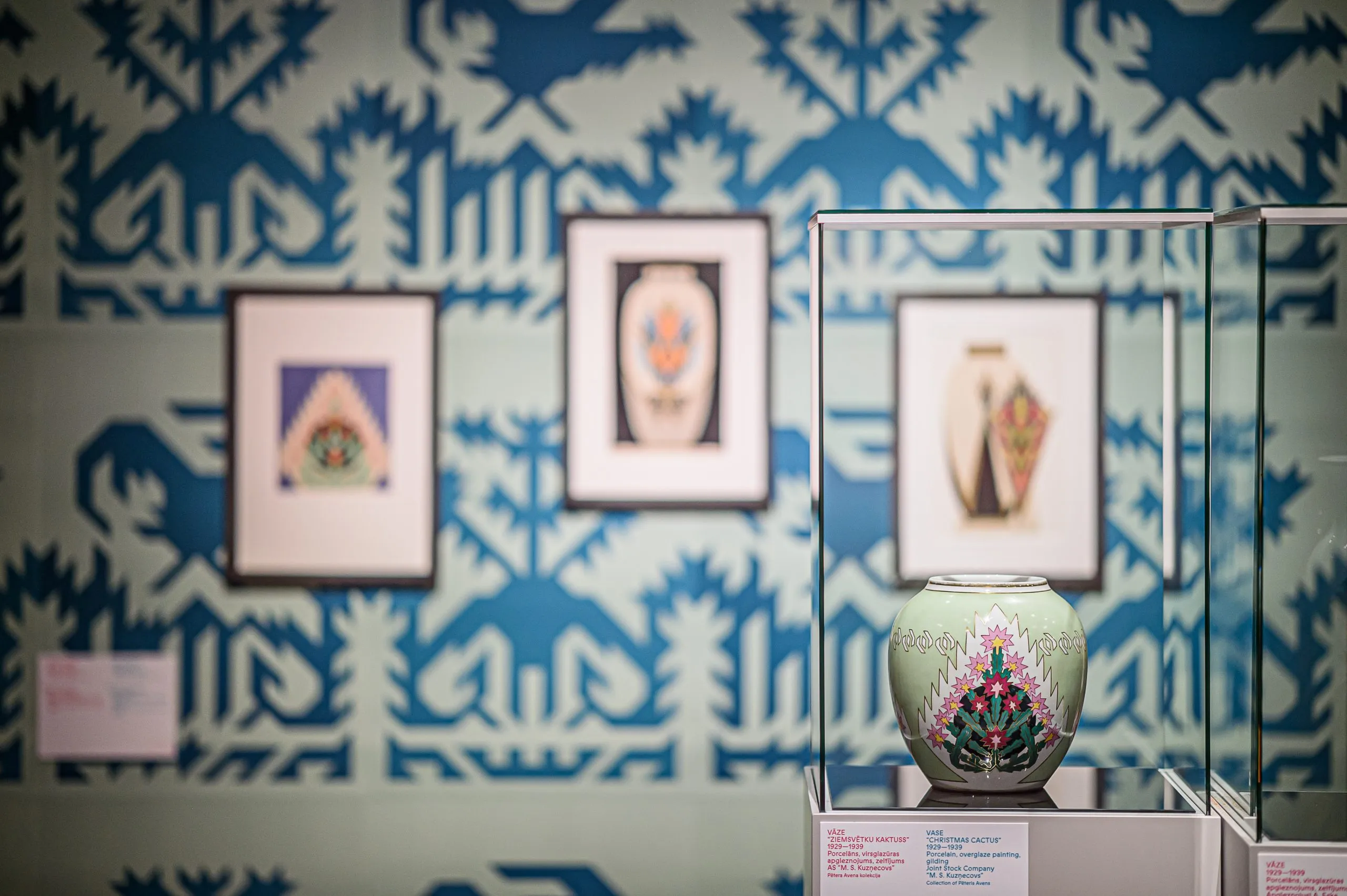
Ask ten framing customers what they want over an original watercolour and several will use the same two words: museum glass. The phrase has drifted a long way from any single product — it has become shorthand for “the glazing museums use”, the glass you cannot see. We hear it every week, and the honest answer we give is this: museum glass is not a name you buy, it is a specification you check.
That specification has three parts, and glazing needs all three to earn the museum-grade label: an anti-reflective coating that cuts reflection from about 8% to around 1%, a conservation-grade 99% UV block, and a water-white (low-iron) substrate that shows colours without a green cast. This guide walks the spec using Artglass AR 99 Water White as the reference point, covers the laminated option for public display, and — because our credibility is worth more than one upsell — is honest about when museum-grade is more than a job needs.
What actually qualifies as museum-grade
Take the three components one at a time.
Reflection around 1%. Regular glass bounces roughly 8% of visible light back at the viewer, and that veil sits between the customer and everything they paid you to frame. Anti-reflective coatings — metal-oxide layers applied by vertical magnetron sputtering, around 1/500th the width of a human hair — steer light through to the artwork instead. Below 1% residual reflection, the glass effectively disappears.
99% UV protection. Ultraviolet light is the main driver of fading, yellowing and brittle paper, and the damage is cumulative and irreversible. Regular glass blocks only 20–45% of it. A 99% block is the level that qualifies as conservation glass, approved by professionals and conservators worldwide — the full 70/92/99 breakdown is in our UV protection guide.
A water-white substrate. Ordinary float glass contains iron, which gives it a faint green tint. Low-iron glass removes it, so whites stay white and light colours show without a cast. Our guide to low-iron glass covers where that shows.
Miss one component and the result is something else. Artglass UV 99 blocks 99% of UV — genuine conservation glass — but reflects about 8%, like the regular glass it resembles. AR 70 is near-invisible but blocks 70% of UV. Both are legitimate products with honest uses, mapped in our picture framing glass types overview — but neither is museum-grade. Only when all three properties meet in one sheet does the glazing do what customers imagine when they say “museum glass”.
The reference spec: Artglass AR 99 Water White
When we need to show what museum-grade means in numbers, this is the sheet we put on the table. Artglass AR 99 Water White is the clearest museum-grade glass on the market, and its specification reads like a definition of the category:
| Property | Artglass AR 99 Water White |
|---|---|
| Substrate | Low-iron glass (water white) |
| Light reflection | ≤ 1% (regular glass: ~8%) |
| Light transmission | ~98% |
| UV protection | 99%, certified to EN 410 |
| Thickness | 2 mm |
| Maximum sheet size | 1219 × 1727 mm (48″ × 68″) |
| Standards | ISO 1096-2 Class A · ISO 18916 · ISO 18902 |
The conservation credentials are certified, not claimed. The 99% UV block is verified by the National Physical Laboratory in the UK according to EN 410, the product complies with ISO 18902 and passes the ISO 18916 Photographic Activity Test, and the range meets Fine Art Trade Guild and Professional Picture Framers Association requirements. It is made by Groglass in Riga, where every 10th sheet is tested in detail and every cut-size sheet is manually inspected before packing — the same glazing trusted from the Rijksmuseum in Amsterdam to the Forbidden City in Beijing.
In the workshop it behaves predictably. The UV-coated side arrives under a recyclable masking film that protects the coating and identifies the side that must face the artwork. You score and break from the non-film side, keep the film on until the frame is ready to close, and dissipate static with an anti-static brush after peeling.
When the glass itself needs protecting: AR 99 Protect
Some settings ask more of glazing than optics. In museum vitrines, high-traffic public spaces, travelling exhibitions and seismic zones, the realistic question is not whether the glass will reflect — it is what happens if it breaks.
Artglass AR 99 Protect is the laminated answer: two sheets of anti-reflective low-iron glass bonded with a PVB interlayer, on the same principle as a car windscreen. If the glazing ever breaks, the shards stay held on the film instead of falling onto — or cutting into — the artwork. The interlayer also raises UV protection up to 100%, while reflection stays below 1% and light transmission around 97.5%. It comes in 4.4 and 6.4 mm builds (heavier on request) and formats up to 2250 × 3210 mm. Where weight is the constraint instead — monumental formats, exhibitions that travel — Lifetime Acrylic delivers the same museum-grade optics in a shatter-resistant sheet at roughly half the weight.
The Mirogard question
For years, many European framers answered the “museum glass” request with Schott’s MIROGARD® range. Schott has ended production of it, and remaining trade stock across Europe has largely sold through — so a whole generation of framers is choosing a successor right now. Every Mirogard tier has a direct Artglass replacement with the same class of near-invisible optics and equal or higher UV protection; our Mirogard alternative guide maps them product by product.
Is museum-grade worth it?
Here is the honest version. The deciding factor is not the value of the artwork in euros — it is whether the piece can be replaced.
If it can — a poster, an open-edition print, standard photography — museum-grade is usually more than the job needs. AR 70 or AR 92 will make the glazing disappear and protect far better than regular glass, and we recommend them daily for exactly that work. If reflections are managed and only fading matters, UV 99 gives conservation-level protection while looking like ordinary glass.
If it cannot be replaced — an original, a signed or limited edition, a watercolour, a textile, a child’s drawing, a family document — the calculation changes. UV damage does not announce itself; it accumulates every day the piece hangs, and no restorer can put faded pigment back. Museum-grade glazing is the one component of the frame that actively stops that loss while letting the work be seen as if nothing stood in front of it. On irreplaceable work, it is the difference between framing and preserving — and it is why the 99% tier exists.
How to buy it
Museum-grade Artglass is trade supply, and we keep it simple. Standard sheets sell by the full manufacturer box of 2 sheets, one size per box, made to order at the Groglass factory in Riga — typically 1–2 weeks (how ordering works walks through the full flow). If you need less than a box or a specific dimension, our cut-to-size service runs in Latvia and the Baltics, further afield on request. EU deliveries ship in wooden crates.
Because this is B2B supply with box quantities and freight, pricing lives on our current price list rather than the website. Request the glass price list and it lands in your inbox, or build a structured request in the glass quote builder — we reply with prices and availability within one business day. Cutting and handling guidelines for every product are free on our downloads page.
Questions
Quick answers
Is museum glass a brand or a type of glazing?
In everyday use it is a generic phrase for the best glazing in the shop, not one specific product. Treat it as a specification rather than a name: reflection around 1% from an anti-reflective coating, a 99% UV block certified to EN 410, and a low-iron substrate with no colour cast. Any glazing that delivers all three qualifies as museum-grade; Artglass AR 99 Water White is the reference example we supply.
Do I need museum-grade glass for posters and open-edition prints?
Usually not, and we say so to our own customers. Reproducible work — posters, open editions, standard photography — is well served by anti-reflective glass with 70% or 92% UV protection, which still removes reflections and clearly outperforms the 20–45% UV block of regular glass. Reserve the 99% museum-grade tier for originals, signed editions, watercolours, textiles and anything that could not be replaced if it faded.
Is museum-grade glass shatter-resistant?
Not by default. Artglass AR 99 Water White is standard 2 mm glass and breaks like any other sheet. Where breakage is a real risk — high-traffic public spaces, travelling exhibitions, seismic zones — choose laminated AR 99 Protect, whose two glass layers are bonded with a PVB interlayer so shards stay held on the film, or Lifetime Acrylic where low weight matters more than the feel of glass.
What replaced Schott Mirogard for museum-quality framing?
Schott has ended production of its MIROGARD picture-framing glass range, and remaining European stock has largely sold through. Framers who specified it now switch to Artglass, which delivers the same class of near-invisible anti-reflective optics with equal or higher UV protection at every tier. Our Mirogard alternative guide maps each discontinued product to its direct Artglass successor.
Want the numbers?
Leave your e-mail and the current Artglass B2B glass price list lands in your inbox — delivery terms for your market included.